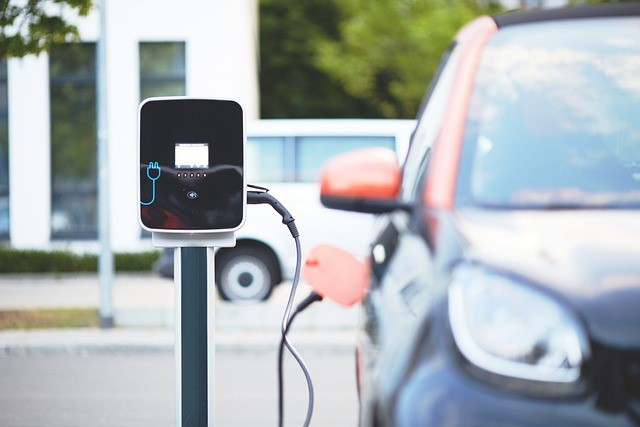

More and more major automakers have started to shift from traditional gas-powered vehicles to electric vehicles (EVs) in the past decade. It’s obvious that the next big thing for cars is electric motors instead of internal combustion engines.
But suddenly making the shift from a traditional car to a plug-in electric vehicle isn’t easy to get used to. You’ll need to learn how to fit driving and maintaining an EV into your normal routine.
Here are a few important tips to help teach you EV Education and everything you need to know about your new car.
Know Your Vehicle’s Settings
Electric vehicles have different modes, some that affect performance and others that focus on power usage. Most of the attention of EVs is focused on their range. It’s crucial to figure out all of your car’s capabilities and drawbacks so you’ll know how to use it better.
For instance, the Tesla Model S has a mode called the Ludicrous Mode where the vehicle can go from zero to 60 miles an hour in 2.5 seconds. The only drawback is that you’ll have to sacrifice range.
Charge the Battery Correctly
One of the most important features to get used to in an EV is the lithium-ion battery. They’re quite different from the batteries in gas-powered vehicles, so there are several considerations to keep in mind when charging the battery.
For instance, constantly keeping your vehicle at max might hurt the battery’s lifespan in the long run. Ideally, it should be in the range of 30% to 90% of its capacity.
Install a Charger At Home
For the most convenience, it’s best to have a charger to plug in inside your own garage. If you decide to go that route, it’s important to know what kind of charger and outlet work best and charge the fastest.
Relying on a Level 1 with a 120-volt outlet won’t get you much. At best you’ll get a few miles of driving from each hour of charge. Alternatively, installing a 240-volt outlet and getting a Level 2 charger will allow you to fill up at least 5 times more quickly.
Plan Out Trips in Advance
There are approximately 47,000 charging stations owned by 30 different EV charging network companies all over the United States. So, you’ll likely be in a somewhat close vicinity of a charging station wherever you go.
But regardless of that fact, it’s safer to plan ahead of where you’re traveling and where you’ll be able to recharge if needed.
Don’t Rely on Fast Charging
It’s common for EV owners to forget to charge their vehicles the night before they have to go somewhere. In those cases, you might rely on fast charging to save you all the time and trouble.
But using this method to charge your EV all of the time isn’t recommended. This is because high-voltage charging can hurt your EV and strain the battery in the long run.
Stay Away From Extreme Temperatures
Exposing your EV to extremely high or extremely low temperatures is one of the easiest ways to harm its battery. If you live in an area with frequent snowfall, heat waves, or variable weather, it’s best to take the necessary precautions.
To ensure your vehicle’s longevity, taking simple precautions like parking in the shade on hot days or parking the car in a garage during cold nights is enough to protect your vehicle.