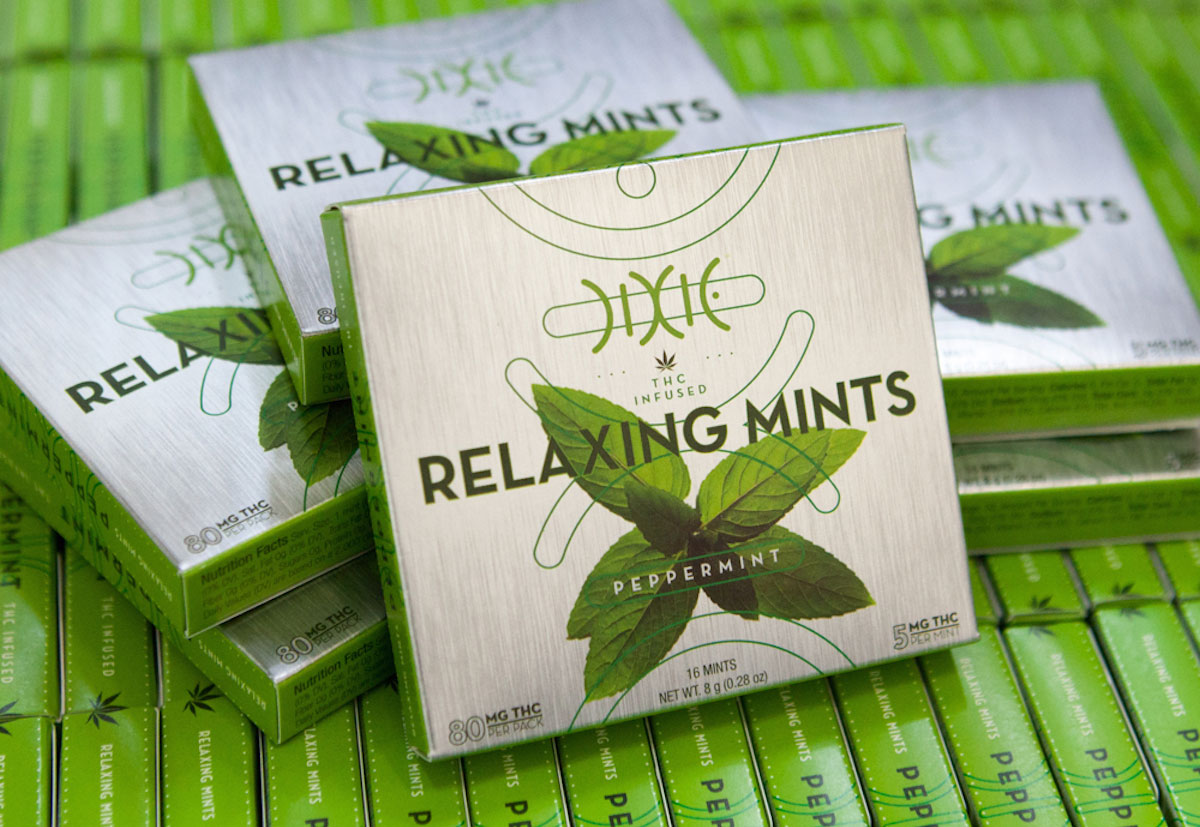

Labels on marijuana packages might be perplexing, especially if you’re not familiar with the various varieties of marijuana. For instance, you can come across goods that contain both THC and CBD. Or you may come across goods that claim to be “hemp oil” but actually contain very little or no CBD. To make matters worse, labeling regulations are continuously changing, so it’s critical to understand the many marijuana packaging labels in order to purchase items that are both safe and comply with local regulations.
Marijuana Packaging Labels
There are a number of different types of marijuana labels for packaging that can be found on products in the market. These labels can help consumers know more about what they’re buying, and they can also warn users about potential health risks. Here are some of the most common types of marijuana packaging labels:
1. Product Name Labels: This type of label typically contains the name of the product, such as “Blue Dream.”
2. THC/CBD Levels Labels: These labels will list the levels of THC or CBD present in a product. For example, products with a high level of CBD may have a label that says “no psychoactive cannabinoids” or “low CBD.”
3. Warning Labels: Some products may include warning labels, such as those for children or expectant mothers. These cautions can suggest that using the product could have detrimental effects on your health.
4. Organic Labels: Nowadays, many cannabis products are organically labeled, indicating that they have not been subjected to artificial pesticides or herbicides.
Bomb packaging labels
The different types of marijuana packaging labels can be broken down into two categories: medical and recreational. Medical marijuana box labels must follow specific guidelines set forth by the U.S. Drug Enforcement Administration (DEA). Recreational packaging labels must meet the same requirements as the labeling for tobacco products, meaning they must prominently display the health risks posed by smoking marijuana.
Here are some examples of medical marijuana packaging labels:
This label is from a strain of medical cannabis called Harlequin feminized. It’s designed to make it easier for patients to identify their products.This label is from a strain of medical cannabis called Skywalker OG. It’s designed to make it easier for patients to identify their products. And this label is from a strain of medical cannabis called Sour Tsunami x Northern Lights #2, designed to help treat conditions like chronic pain and nausea.
Hemp Packaging
Hemp packaging is becoming more and more popular as marijuana becomes more mainstream. There are various types of packaging that can be used for hemp products, each with its unique benefits.
Tins, cartons, and bags are a few of the hemp packaging products that are most in demand. Tins work well for storing trace amounts of marijuana, whereas boxes work well for buying large quantities. Bags work well for carrying anything when traveling, including food and marijuana.
Vape pens, edibles, pills, and topical applications are just a few of the additional hemp packaging options that are offered. Cannabis can be discreetly consumed with vape pens, and edibles are excellent for treating pain or other medical conditions. Topical products can be applied to the skin to treat a variety of illnesses, while capsules offer a simple way to take medication by swallowing them whole.
What to Look for When Buying Marijuana
You should be aware of the various styles of packaging labels available when purchasing marijuana. Each type has a unique set of advantages and disadvantages. Let’s examine each in turn:
Labels for Smokeless Tobacco Products: Although there are many different types of smokeless tobacco products, cigars, and pipe tobacco are the most popular. The tobacco product and nicotine are often packaged in these goods using thin paper or foil packets. The package is designed to be simple to purchase and use without requiring any additional materials or tools.
This sort of label has a few drawbacks. For starters, because they are comprised of thin materials, they might be challenging to recycle. Additionally, new customers may frequently find this labeling to be confusing.
Cigarette Packaging:
Cigarette packaging is perhaps the most recognizable type of marijuana packaging label. Cigarettes come in a variety of shapes and sizes, but the basic format is the same: a pack (or packet) containing several cigarettes. Cigarette packs usually have colorful graphics on them, which helps consumers differentiate between different brands and flavors.
One downside of this type of label is that it’s difficult to recycle because cigarette packs are made from paper and plastic materials that take up a lot of space in landfills. In addition, cigarette branding can be controversial—some people see it as strongly promoting addiction, while others see it as
How to Read a Cannabis Packaging Label
If you’re looking to purchase marijuana products in states where it is legal, the packaging on those products is essential to understanding. Cannabis manufacturers have different methods for labeling their products, and each label can have different information about the product and its quality.
When shopping for cannabis, be sure to look for labels that are either printed directly onto the product or attached using a sticker. The most common type of cannabis packaging is an oily paper bag. Marijuana manufacturers may print one of three types of labels onto these bags: a production date, flower weight, or THC percentage.
The product’s manufacture date is the earliest possible time that it might have been created. It might also disclose where the product was produced and how it was made. While THC percentage describes how much THC is contained in each dose of marijuana, flower weight describes how much-dried cannabis is inside the bag.
It’s vital to read the label on each product to decide what kind of cannabis you need because many dispensaries carry both light and medium-weight strains. A medium-weight strain might have a production date of November 1st through December 31st, while a light strain might have a production date that correlates with September 1st through October 31st. If your local dispensary doesn’t currently carry the strain you’re looking for, try searching online. While production dates are essential when purchasing cannabis,
Conclusion
As marijuana becomes more widely accepted, it is important that the correct information be conveyed to consumers. This means ensuring that all products are labeled accurately with the corresponding potency and other relevant details.Some of the most common types of packaging labels for marijuana products and discuss their implications. Be sure to read closely so that you know exactly what you’re buying!