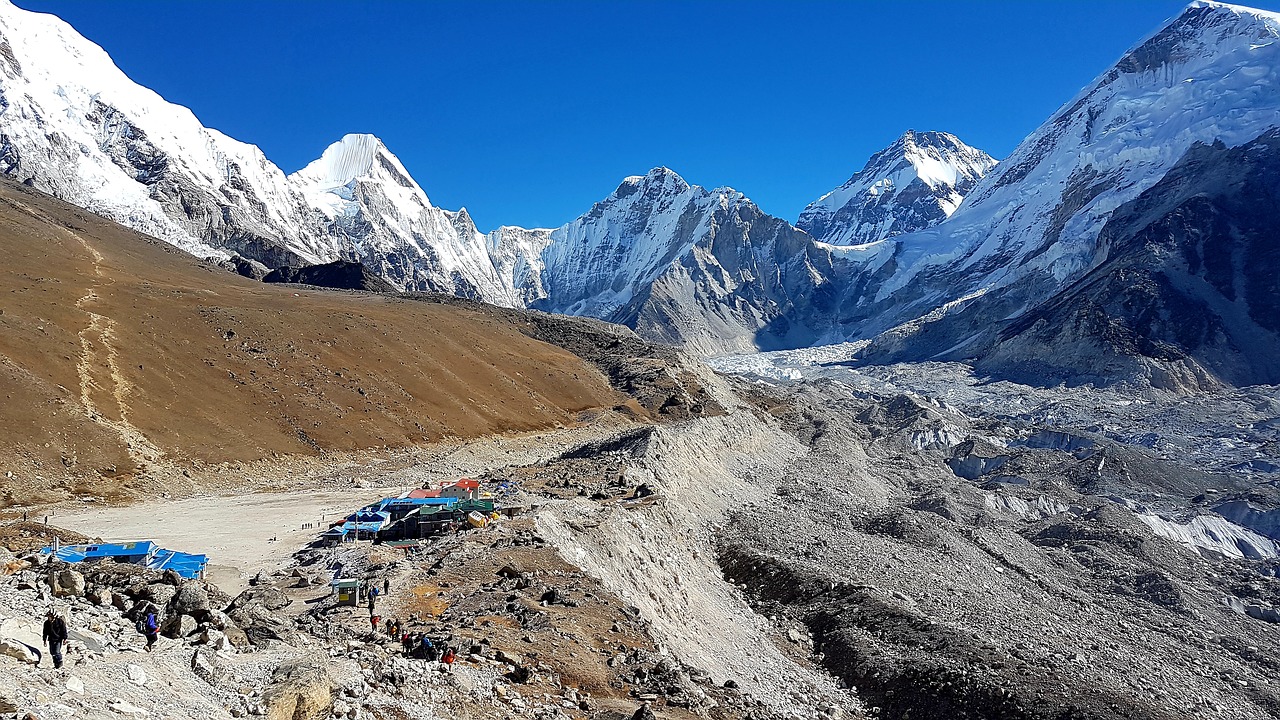

INTRODUCTION:
Everest Base Camp Trek is one of the most popular trekking routes in the world, attracting thousands of trekkers each year. The trek offers an opportunity to explore the breathtaking Himalayan landscape, including the world’s highest peak, Mount Everest. The trek is suitable for trekkers of all levels and can be completed in around 12-14 days. This guide will provide all the information you need to make your trek to Everest Base Camp a success.
Planning Your Trek
The first step in planning your trek is to decide on the time of year you want to go. The best time to trek to Everest Base Camp is during the months of September to November and March to May. During these months, the weather is relatively stable, and the trails are less crowded.
The next step is to decide on the route you want to take. There are two main routes to Everest Base Camp – the South Base Camp (Nepal) and the North Base Camp (Tibet). The South Base Camp is the most popular route and offers a more traditional trekking experience. The North Base Camp is less popular but offers a more challenging trek and the opportunity to explore Tibetan culture.
It is important to note that the South Base Camp trek requires a permit, which can be obtained through a trekking agency. The North Base Camp trek requires a Chinese visa and a permit, which can be obtained through a tour operator.
Before embarking on your trek, it is essential to ensure you are physically and mentally prepared. The trek to Everest Base Camp is a challenging one and requires a good level of fitness. It is recommended to start training several months before your trek, including cardio and strength training.
Packing for the Trek
When packing for your trek, it is essential to pack light and only bring what is necessary. The key items you will need include:
· Warm clothing, including a down jacket, thermal underwear, and insulated pants
· Waterproof and breathable jacket and pants
· Hiking boots and gaiters
· Sleeping bag and sleeping mat
· Headlamp and extra batteries
· Sunscreen and lip balm
· First aid kit
· Water purification tablets
· Personal hygiene items
It is also important to note that the weight of your backpack should not exceed 15 kg.
Accommodation and Meals
During the trek, accommodation is provided in teahouses, which are basic lodges that offer a place to sleep and eat. The teahouses are located along the trail and are a great way to experience the local culture.
Meals are also available at the teahouses and typically consist of traditional Nepali and Tibetan dishes. Vegetarian and vegan options are also available. It is important to note that the teahouses can get crowded during peak season, so it is best to arrive early to secure a room.
Trekking to Everest Base Camp
The trek to Everest Base Camp is a challenging one, with steep inclines and uneven terrain. The trail is clearly signposted and often travelled, making it quite simple to follow. However, it is essential to take your time and not rush through the trek.
The trek starts with a flight to Lukla, a small town in the Khumbu region. From Lukla, the trail follows the Dudh Koshi River, passing through traditional Sherpa villages and lush rhododendron forests. The trail then ascends to Namche Bazaar, the gateway to the Khumbu region and a popular stop for trekkers.
In conclusion:
the Everest Base Camp Trek is a once in a lifetime opportunity to explore the breathtaking Himalayan landscape, including the world’s highest peak, Mount Everest. The trek can be completed in around 12-14 days and is suitable for trekkers of all levels. By planning ahead, preparing physically and mentally, packing essential items and being open to the local culture, this trek can be a life-changing experience. It is important to decide on the route, get the necessary permits and visas, and enjoy the journey. The trek to Everest Base Camp is a challenging one but the rewards are well worth it. The memories and experiences you will gain on this trek will last a lifetime.
The trek to Everest Base Camp is not just about reaching the base camp, it is also about experiencing the local culture and way of life. Along the way, trekkers will have the opportunity to interact with the Sherpa people and learn about their customs and traditions. The trek also offers stunning views of the Himalayan peaks, including Mount Everest, Lhotse, Nuptse, and Ama Dablam. The journey to the base camp is a challenging one but with the right preparation and mindset, the rewards are well worth it. So, pack your bags and get ready for an unforgettable adventure in the Himalayas.