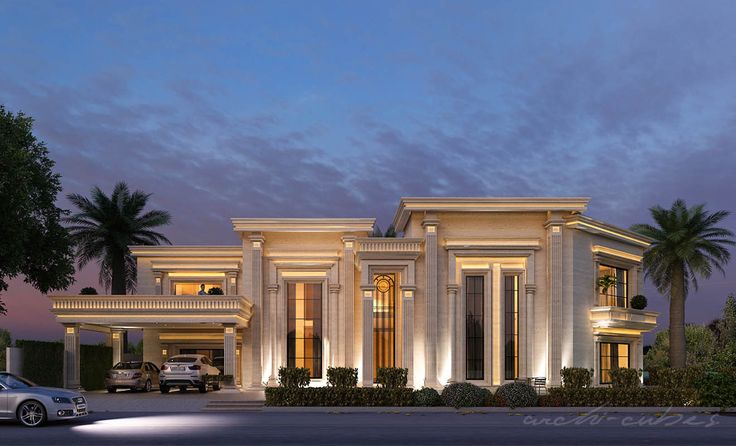

Lahore, the cultural capital of Pakistan, is widely known for its architectural wonders that have enthralled visitors from around the world. From ancient forts and majestic mosques to intricate mausoleums and modern skyscrapers – Lahore boasts an impressive range of architectural styles spanning over centuries. But have you ever wondered about the masterminds behind these awe-inspiring structures? Join us as we embark on a fascinating journey through time, exploring the evolution of architecture in Lahore through its prominent architects!
Background of Lahore Architecture
Lahore, the capital of Punjab province in the Pakistan region, has a rich architectural heritage dating back to centuries. The city’s landmarks include the Badshahi Mosque, Lahore Fort, and Lahore Railway Station. Lahore’s prominent architects include Sir Syed Ahmed Khan, Muhammad Ali Jinnah, and Fazlur Rahman.
The history of architecture in Lahore can be traced back to the Mughal era (1526-1857). During this time, the city was ruled by Emperor Babur and his Timurid successors. Many of the beautiful buildings from this period remain intact today, including the Badshahi Mosque and Lahore Fort.
Sir Syed Ahmed Khan was one of the most influential architects in early 20th century Punjab. He designed many iconic buildings in Lahore including Allama Iqbal College and Gandhi Memorial Park. Muhammad Ali Jinnah was another important architect who worked during early years of independence in Pakistan. His most famous works include Parliament House and Quaid-e-Azam Mausoleum. Fazlur Rahman is perhaps best known for his conceptual designs for Expo 67 in Montreal.
The Architects of Lahore
The architectural history of Lahore, Pakistan can be traced back to the 14th century when the city was known as Lodhi Sharif. The earliest recorded example of architecture in the region is from this time period and consists of a small medical compound attached to a mosque.
Lahore’s notable architectural traditions began to take shape in the 15th century with the arrival of Muslim rulers who started constructing grand palaces and mosques. The most famous examples of early architecture in Lahore are the Badshahi Mosque and Akbar’s Bagh Fort.
During the 16th century, Islamic scholars and best architects in Lahore worked on various projects including a new fortification system for Lahore, which is now known as Qalandar Mandi. This period also saw the emergence of some of Lahore’s most iconic buildings such as the Shah Jahan’s Shalimar Gardens and Lal Masjid.
By the 17th century, systematic development had begun in Lahore with new suburbs being developed outside the old city walls. The 18th century saw an influx of British residents into Lahore which led to a revival in artistry and architecture styles across all sectors including religious structures, aesthetic gardens, mansions and hospitals. Some of the most famous landmark buildings from this period include Fatehpur Sikri and Gulgulee Palace.
The beginning of the 20th century saw a resurgence in Islamic design principles with many new mosques being built throughout Punjab province. Modernist
The Influence of Modernism on Lahore Architecture
The 20th century was a time of great change for the world, with new technologies and ideologies shaping how people lived their lives. One of the most visible changes in architecture took place during this time, as modernist trends swept across the globe.
Modernism is a movement that emphasised simplicity, functionality, and the use of natural materials. It was popularised by architects such as Walter Gropius and Le Corbusier, and its influence can be seen in many places around the world.
One of the most notable examples of modernist architecture in Lahore is the University of Engineering and Technology (UET), designed by renowned architect Faisal Sheikh. The building features a distinctive geometric shape that is characteristic of modernist design principles.
The influence of modernism on Lahore architecture has had a positive impact on the city’s overall aesthetic appeal. The buildings are often brightly coloured and feature sleek, futuristic designs that make them stand out from other structures in town.
Conclusion
In this article, we explore the evolution of architecture in Lahore through the prominent architects who have shaped its skyline. From Ferozshah Kotla to Muhammad Ali Jinnah Stadium, read about how these architects have helped shape Lahore into the city it is today. We hope you enjoy learning more about each architect and their contribution to Lahore’s architectural history.